Meet the Makers: Cellars, Slopes and Families Behind Our Wines

Every bottle on our shelves starts somewhere specific: a cellar, a slope, a family that has worked the same land for years. In September 2020 we shared an album of our producers, their vineyards and their cellars. Here is that journey again, from the underground galleries of Moldova to the steep river valley of the Mosel.
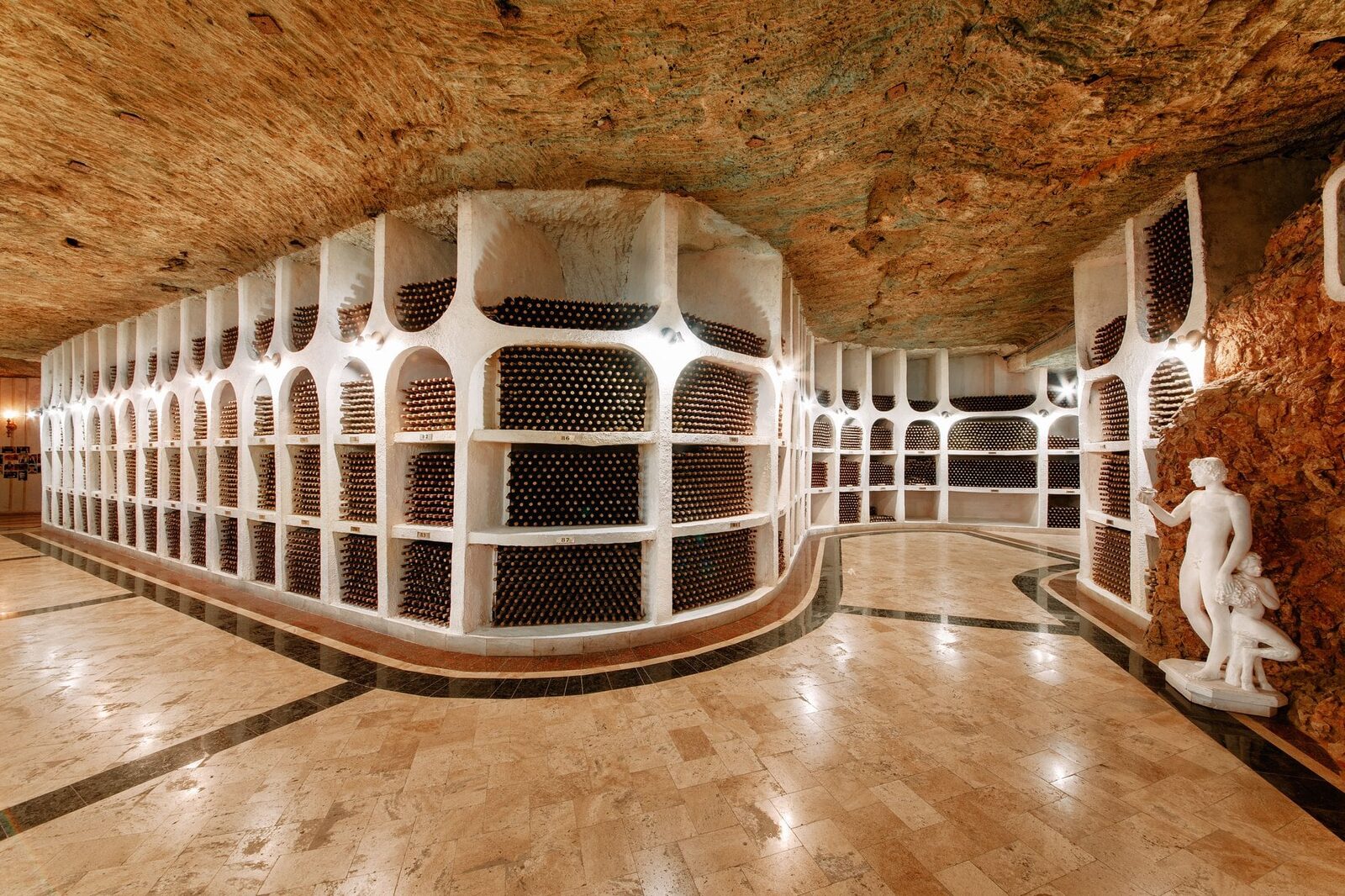
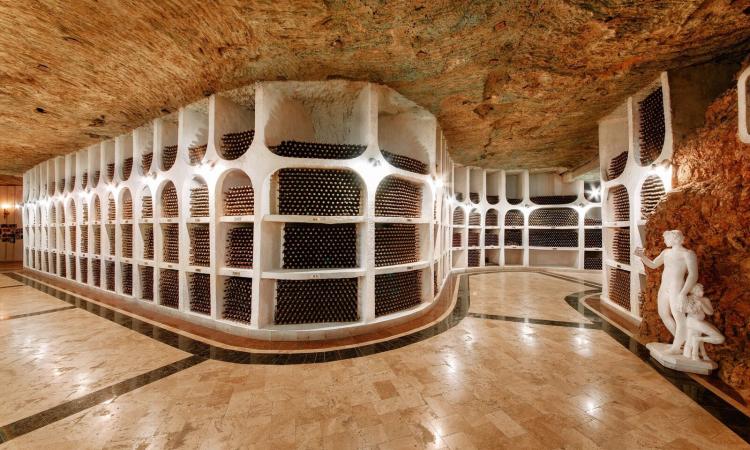
Underground at Cricova, Moldova: bottles resting in galleries carved from limestone.
Cricova: a city of wine underground
Cricova, just outside Chișinău in Moldova, is famous for its vast underground cellars, kilometres of galleries in old limestone workings. The temperature stays cool and steady all year, ideal for ageing wine and, above all, for sparkling wine.
The Cricova Prestige Brut Rosé is made by the traditional method, with the second fermentation in the bottle. It is 100% Pinot Noir, a delicate pink, with strawberries and raspberries on the nose and refreshing acidity, and it spends over three years in bottle. It is a rosé sparkling wine for a celebration that deserves more than the usual. Well chilled, it is equally good as an aperitif or with seafood and light Vietnamese starters.
Piedmont: families of Barbaresco and the Langhe
In Neive, in the Barbaresco area, the Sottimano family runs a highly regarded estate. Their Barbaresco Basarin comes from one of Barbaresco's best crus. Fermentation and skin maceration are long and traditional, with natural yeasts only. The wine then ages on its lees in French barrels, only 10% of them new, and is bottled without filtering or fining. Expect dried rose, cherries, liquorice and tobacco, then violet, mint and fresh fruit on a firm but refined palate.
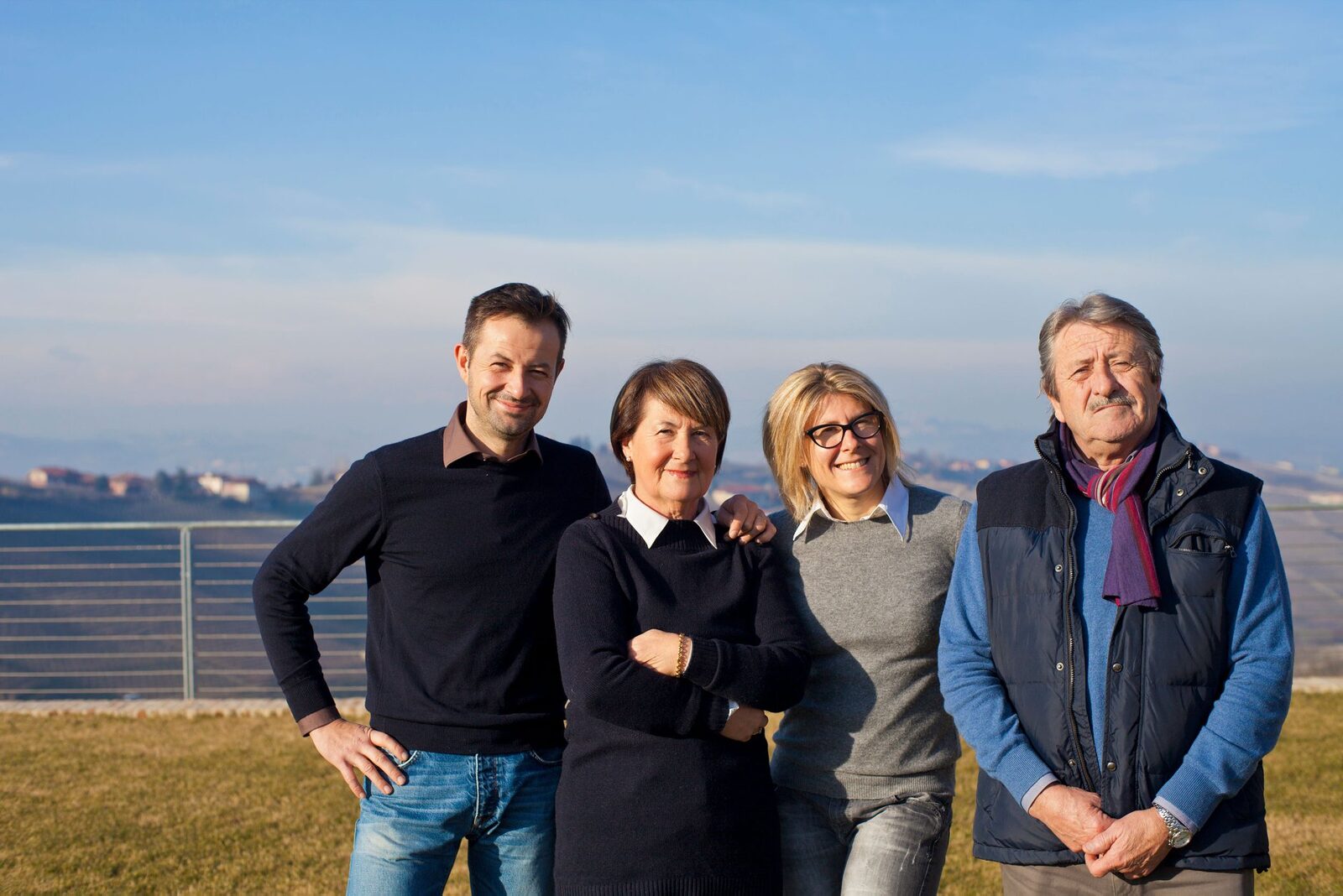
The Sottimano family above the hills of Barbaresco, Piedmont.
The family's Bric del Salto Dolcetto d’Alba blends three Dolcetto vineyards in Neive: Cottà, Basarin and San Cristoforo. Again there are no selected yeasts, and again no filtering or fining. It is deep in colour, fruity and elegant, with a fresh, lingering finish.
Across the Langhe hills, Abrigo Giovanni makes a Langhe Favorita, Piedmont's local name for the Vermentino grape. Straw yellow with green highlights and a faint natural sparkle, it smells of wild flowers, herbs, green apple and pear. It is crisp and mineral, a perfect aperitif with cold antipasti.
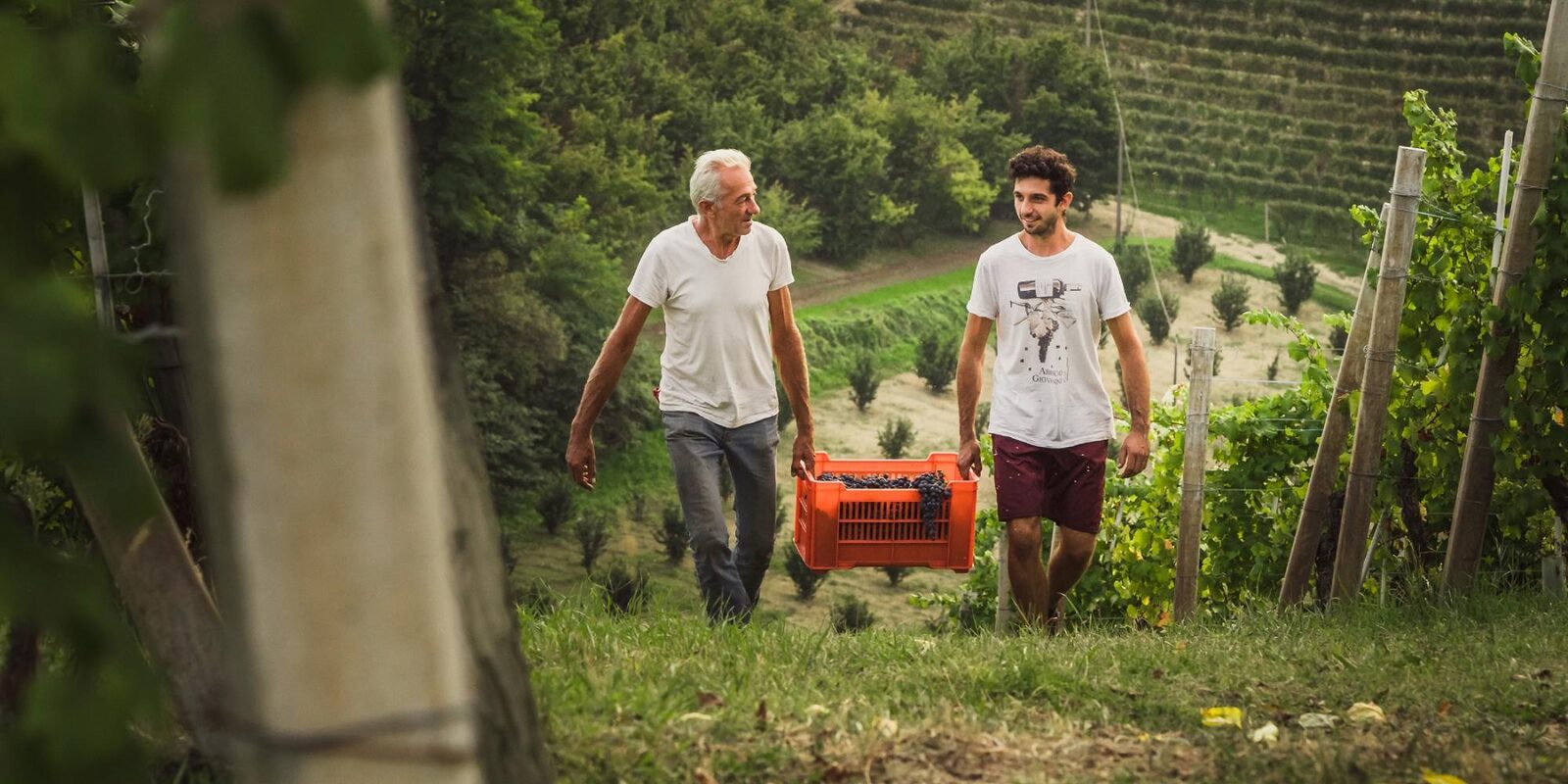
Late autumn in the Langhe hills of Piedmont, home of Abrigo Giovanni.
The Southern Hemisphere: the Cape and Nelson
In South Africa's Western Cape, Waterkloof makes its Circumstance Seriously Cool Chenin Blanc in a mix of concrete eggs and barrels. A long fermentation keeps the fine lees in suspension, giving a full, rich texture alongside citrus, pear and floral notes, with plenty of freshness.
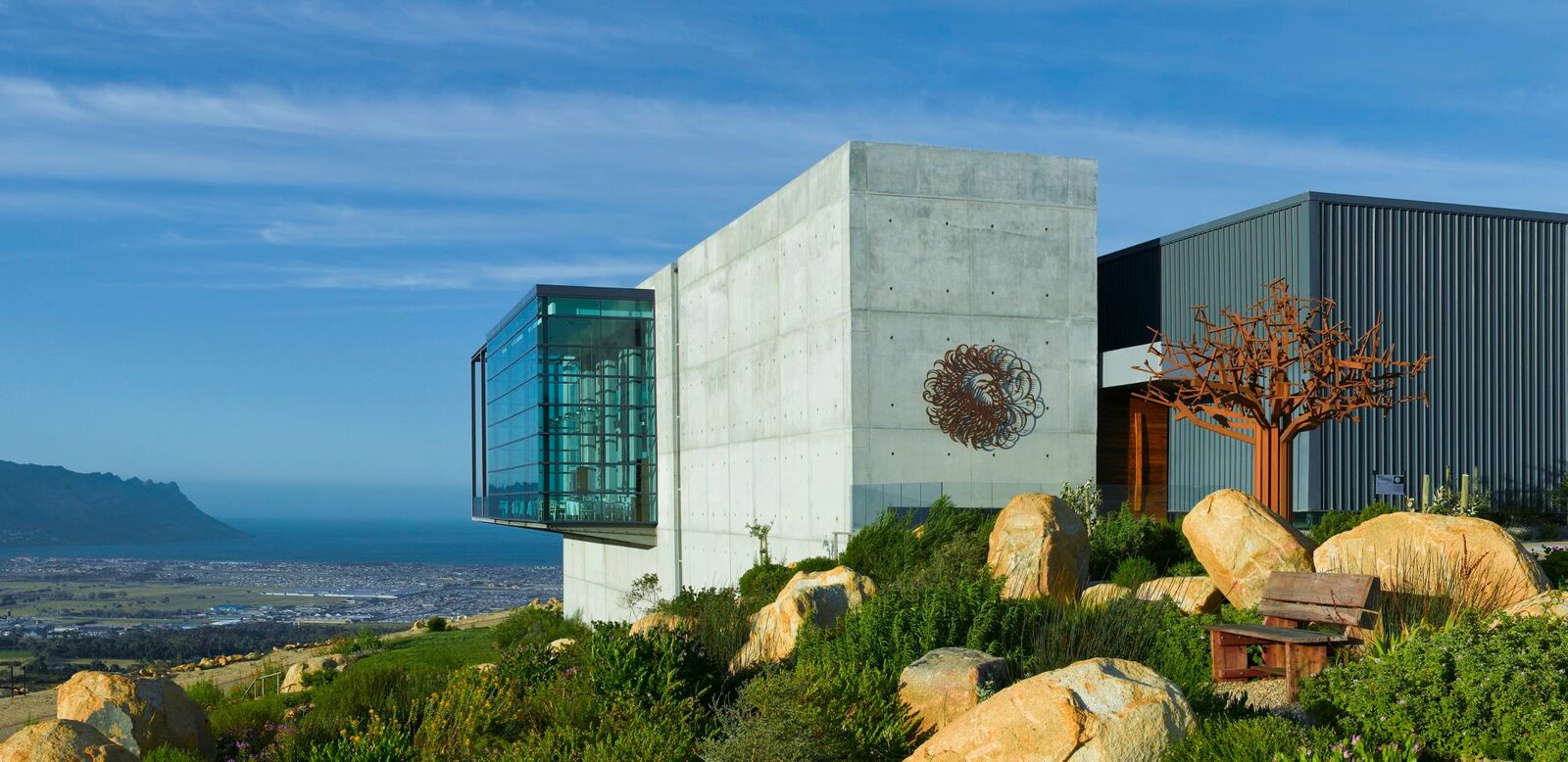
Waterkloof’s cellar in the Western Cape, South Africa, looking out towards the sea.
Two more Cape wines complete the picture. False Bay Crystalline Chardonnay comes from coastal vineyards, sustainably farmed and hand-picked. It is wild-fermented and completely unoaked: no toasted barrels, no oak chips, just the grape in its purest form. Lammershoek's The Innocent Pinotage is a delicious everyday red, with cherries, plums and spice and a firm but elegant structure.
In Nelson, at the top of New Zealand's South Island, Richmond Plains farms organically. Their Pinot Gris shows peach, feijoa, mango and floral notes with subtle spice, ripe fruit and bright acidity.
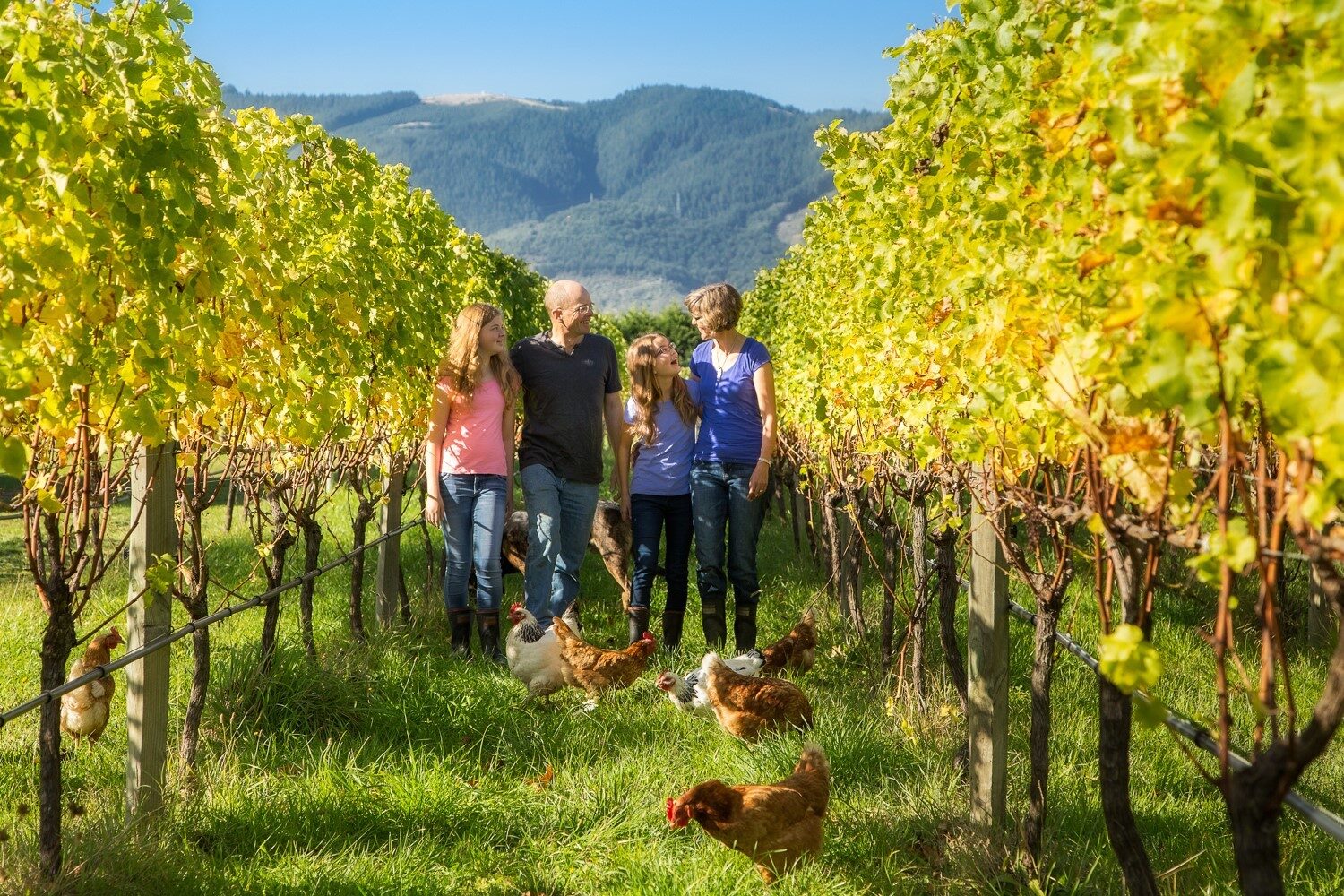
Autumn colours and free-ranging hens between the vines at Richmond Plains, Nelson, New Zealand.
The Mosel: Selbach-Oster
We end where many Riesling lovers begin. Selbach-Oster farms vineyards on the steep slate slopes of the Mosel, among the most dramatic in the wine world. Their Trutta Fario Riesling Kabinett is a textbook Mosel Riesling. It is light, elegant and mineral, with peach, citrus, elderflower and pear, and that hint of kerosene Riesling lovers know well. Off-dry, low in alcohol and very versatile, it handles spicy dishes with ease. It is a natural choice for the Vietnamese climate.
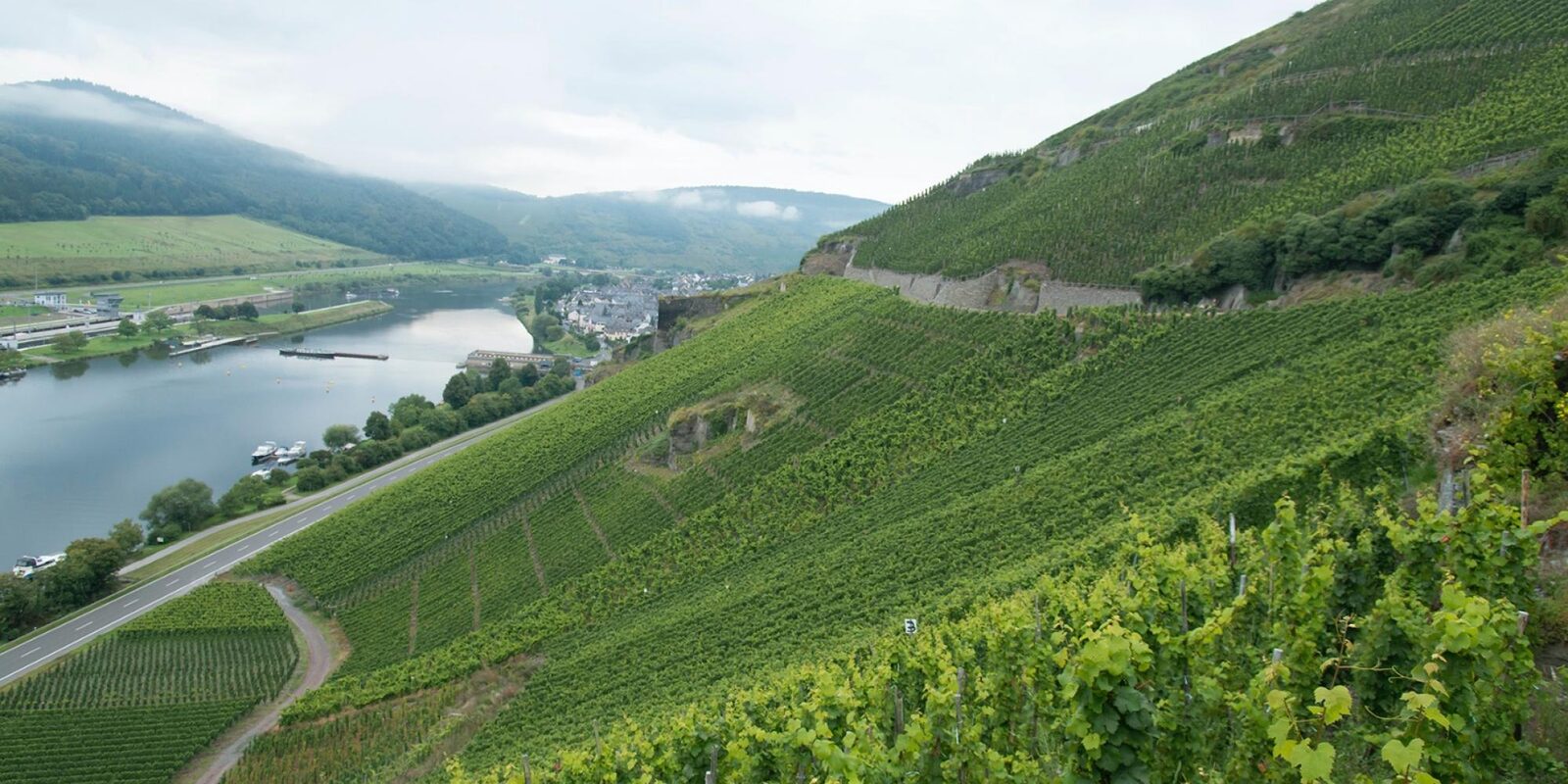
The Mosel valley, Germany: steep vineyards rising straight from the river.
These are the people and places behind our portfolio. To meet them in the glass, browse our producers or explore the full Vinoteka selection. Our team is always happy to help you choose.