Pure Undiluted Mosel-ness: A Masterclass with Johannes Selbach in Saigon

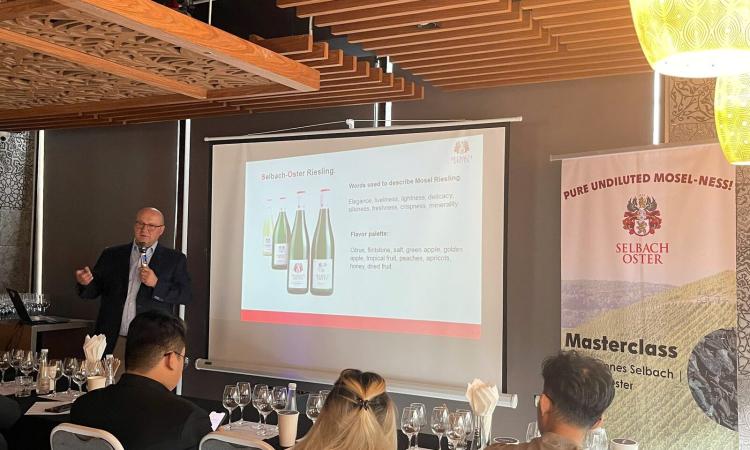
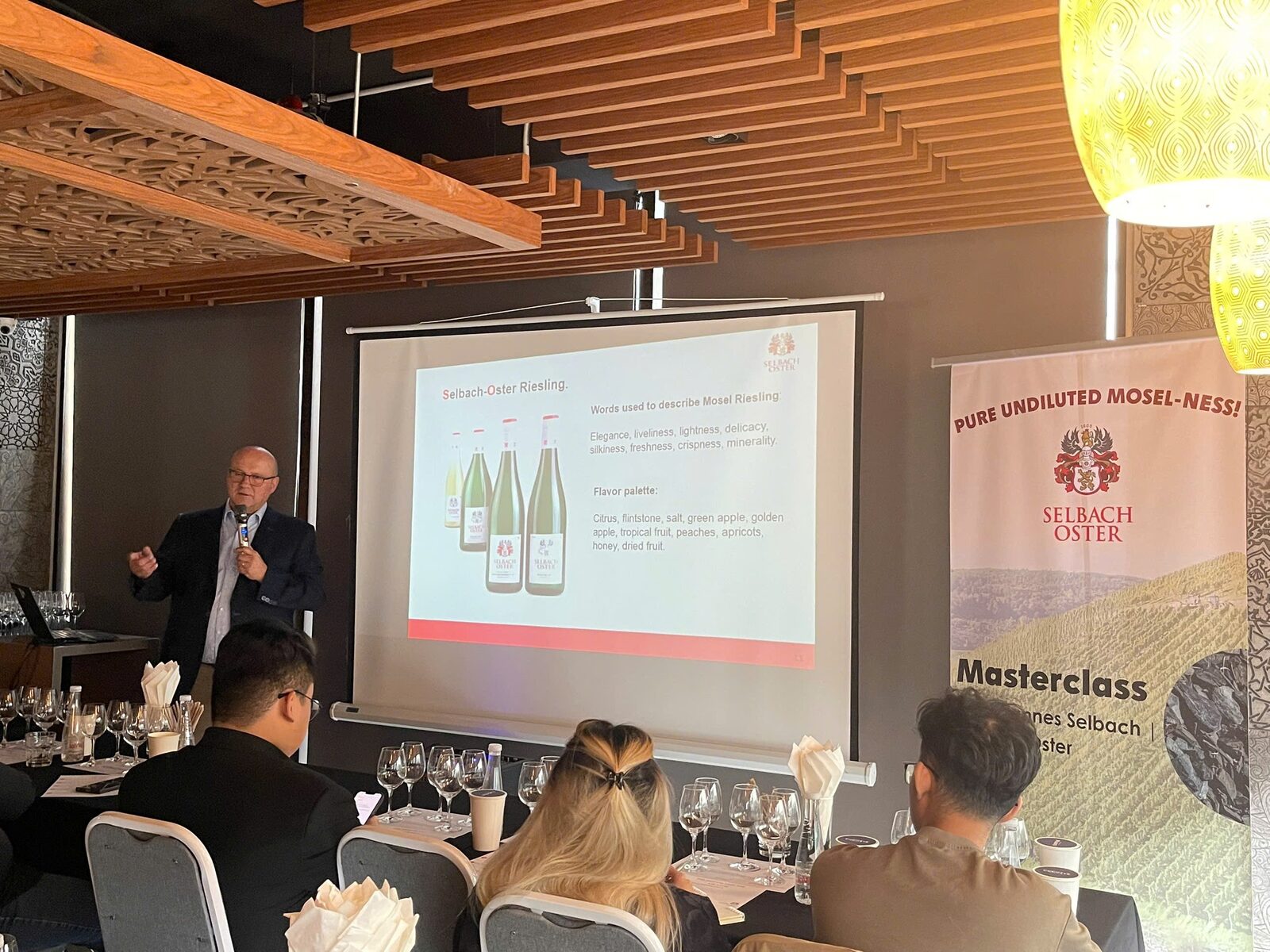
“There are trends, styles, novelties and classics.” That was the message in the air on 10 January 2025, when Johannes Selbach of the Selbach-Oster estate in the Mosel led a masterclass in Ho Chi Minh City for the city's professional F&B community and wine trade. The day's word was simple: Riesling.
A winemaker's tour of the Mosel
The Saigon masterclass opened a short series of events in Vietnam, with masterclasses for professionals and tastings for wine lovers in Ho Chi Minh City on 10 January and in Hanoi on 12–13 January. The banner behind the speaker summed up the theme: Pure undiluted Mosel-ness.
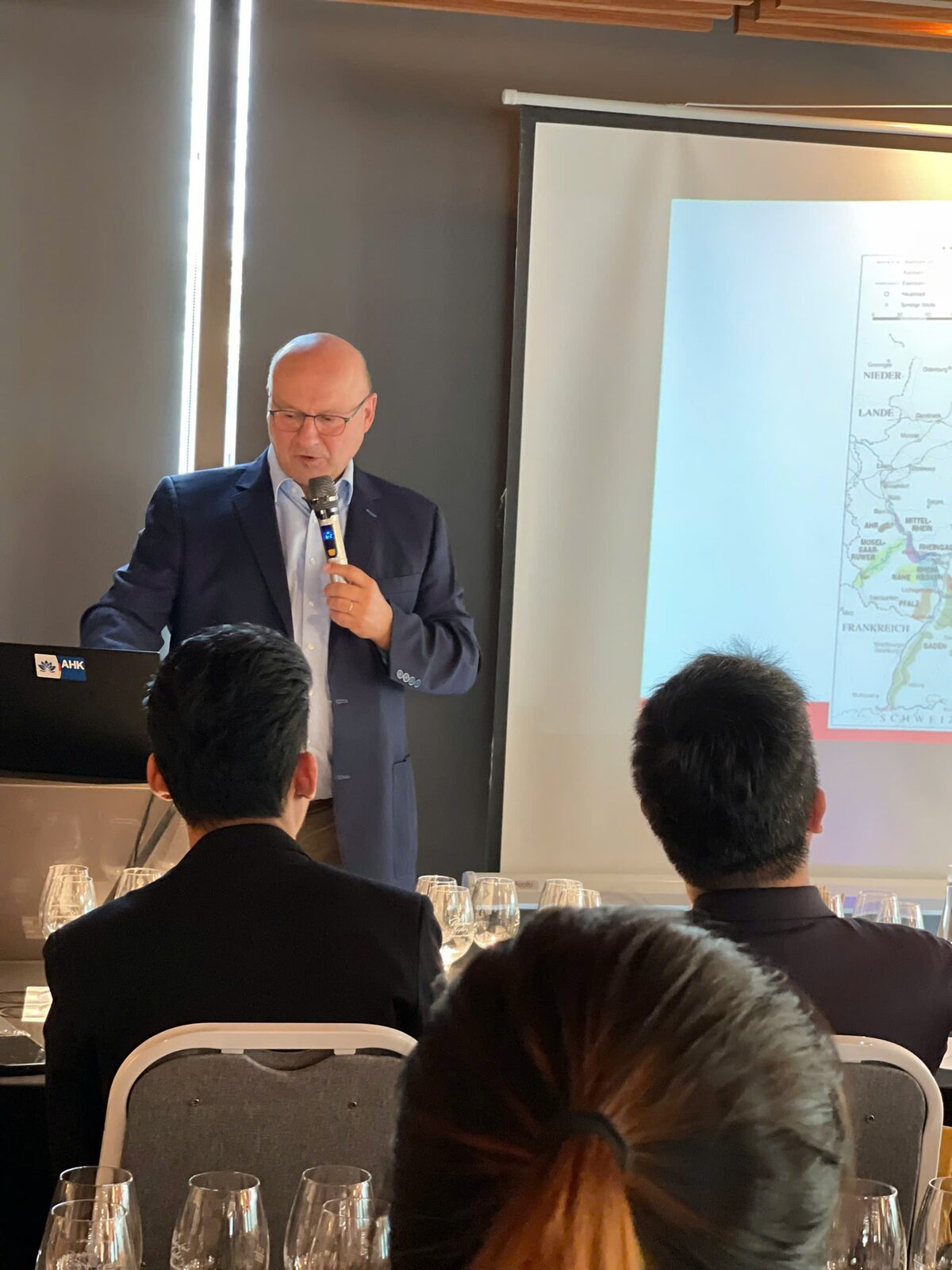
Few places express a grape as clearly as the Mosel. Vineyards climb the steep slate slopes above the winding river, some among the steepest in Europe. There is little shelter from the cool northern climate, and that is exactly what gives the wines their character. The session moved from the region's climate to the estate itself. Selbach-Oster is a family estate with deep roots in the Mosel, presented on the screen as “Mosel with Heart and Soul”.
The language of Mosel Riesling
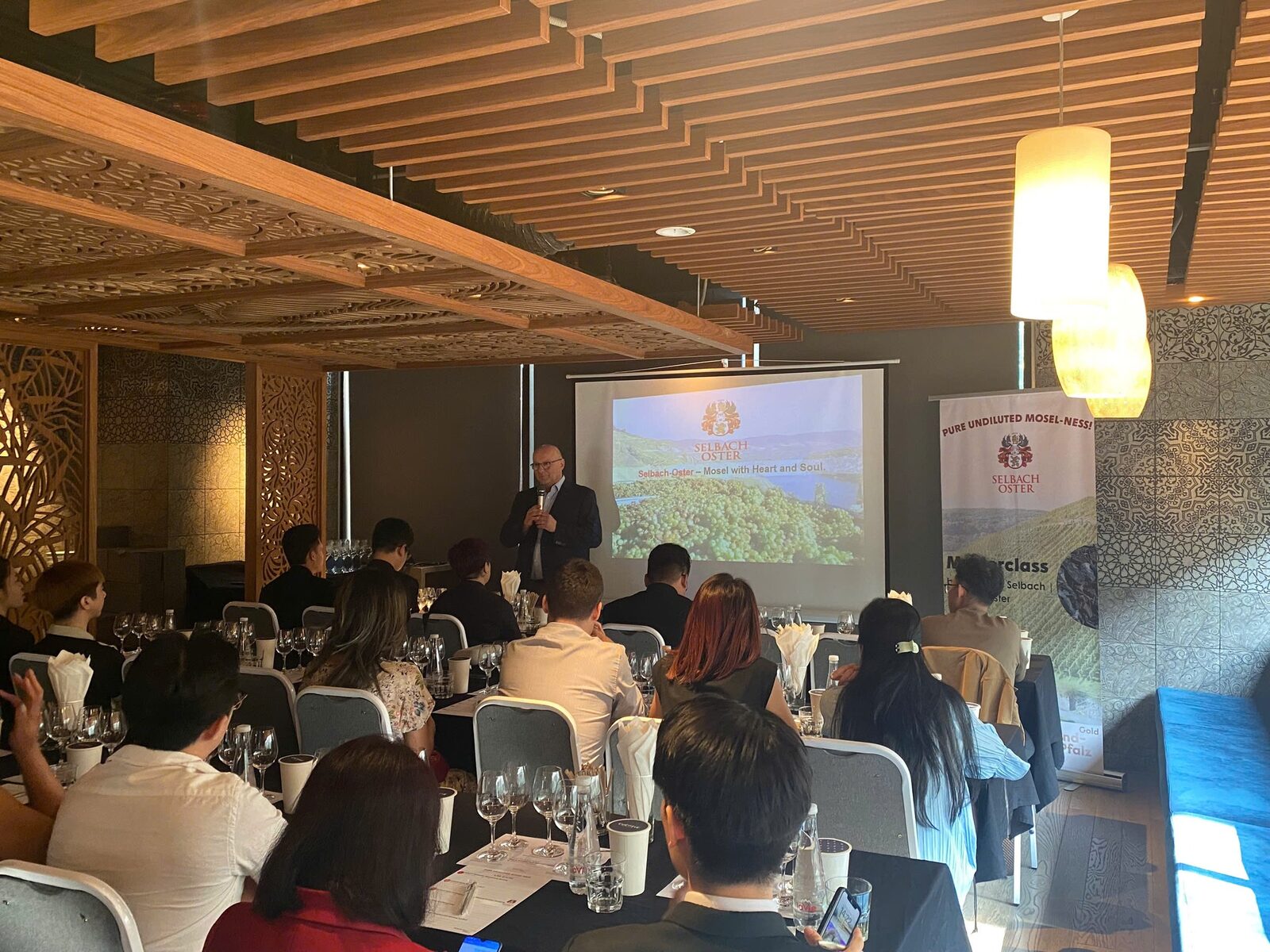
One slide was particularly useful for anyone who sells or serves wine. It collected the words used to describe Mosel Riesling: elegance, liveliness, lightness, delicacy, silkiness, freshness, crispness, minerality. Its flavour palette ranged from citrus, flintstone and salt through green and golden apple, tropical fruit, peaches and apricots, to honey and dried fruit.
For Vietnam this matters. In its Mosel form, Riesling simply works in the local climate. Its lightness, precision and freshness are a blessing for anyone drinking wine in tropical weather. A glass of Mosel Riesling refreshes instead of weighing you down, and its balance of fruit and acidity sits naturally with the herbs, citrus and spice of Vietnamese cooking.
A practical tip for wine lists: German labels tell you a lot once you know a few words. Trocken means dry. Kabinett is the lightest of the traditional Prädikat levels, and in the Mosel it is often made in a delicate, off-dry style with modest alcohol. With chilli, lemongrass and fish sauce, a touch of sweetness is often an advantage, not a flaw: it softens the heat and lifts the fruit. Serve Mosel Riesling well chilled, around 8–10°C, and let it open up a little in the glass.
A surprise in red: Mosel Pinot Noir
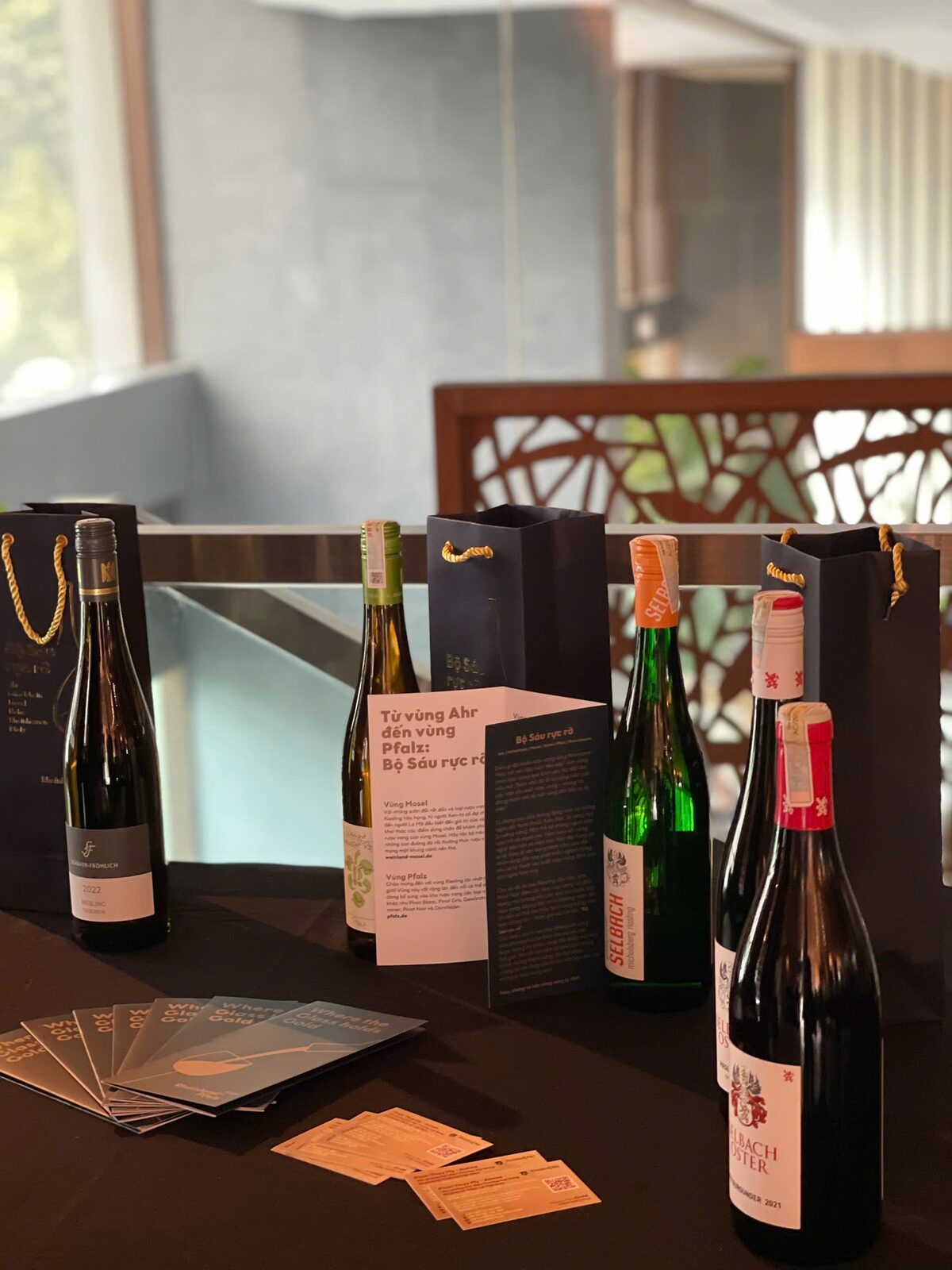
Classics are only part of the story. In recent years the Mosel has also started to produce Pinot Noirs with clear cool-climate character, and the masterclass made room for them. The Selbach-Oster Spätburgunder (Pinot Noir) Trocken surprised the room with its vibrant ruby colour. Its nose brought to mind cranberries and raspberries picked on a cold morning, still covered in dew. For a city where heavy reds can feel tiring, a light, bright Pinot Noir like this is well worth discovering. Serve it slightly cool, around 14–16°C, with roast duck, grilled pork or mushroom dishes.
Thanks to our partners
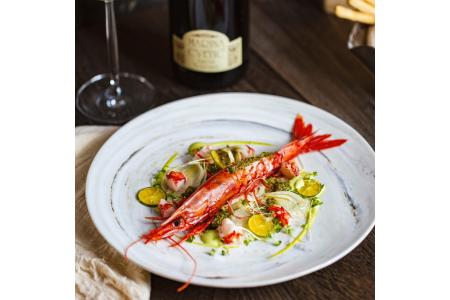
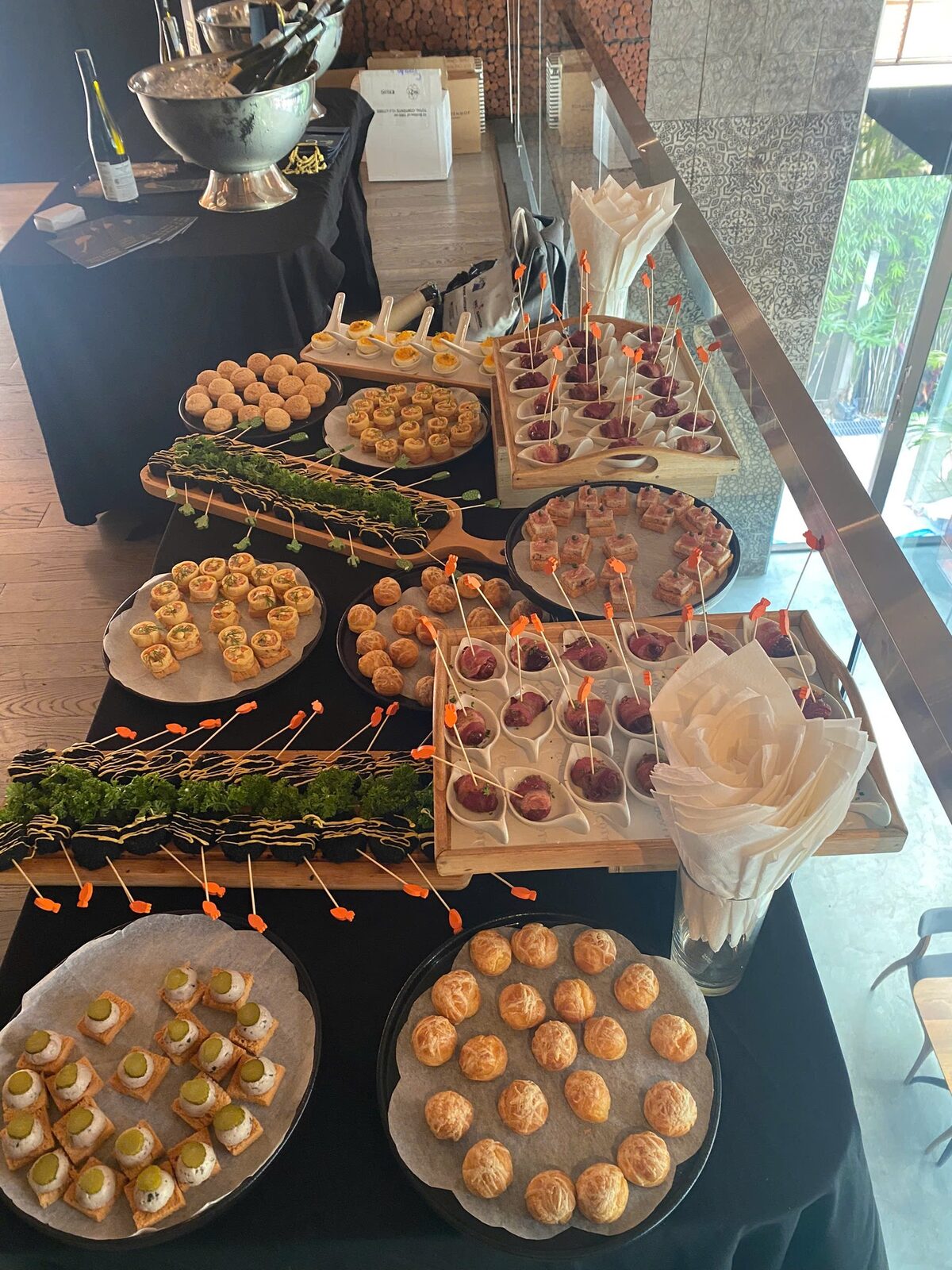
An event like this takes many hands. Our thanks go to AHK and the Rheinland-Pfalz.Gold – Vietnam team, whose support made the masterclass possible. The catering deserves a special mention. Cocotte put a classic Riesling in the right context, in the food, the service and the attitude.
As always, the day reflected two ideas we hold to at Vinoteka: we drink the wines we import ourselves, and we offer wines, not labels. If the masterclass made you curious, explore the Selbach-Oster wines in our shop and taste the Mosel for yourself. Professionals who would like to join our next trade session are welcome to contact our team.