Kosher Wine in Vietnam: A Practical Guide

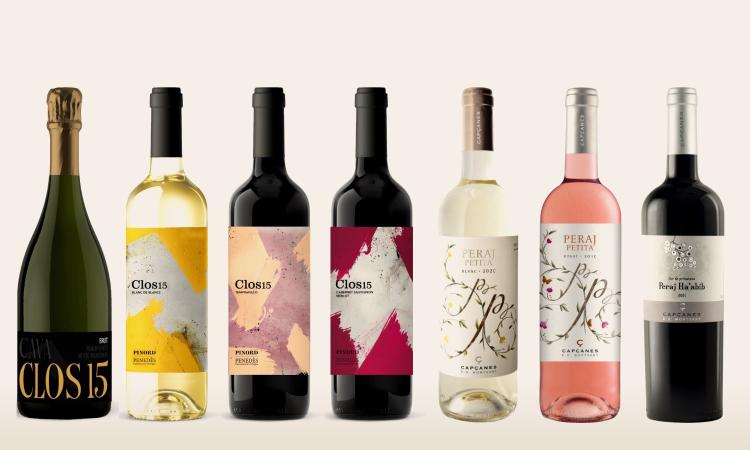
Finding kosher wine in Vietnam used to mean packing bottles in your suitcase. Today, restaurants, hotels, caterers and families in Ho Chi Minh City, Hanoi, Da Nang and beyond can order certified kosher wine locally. This guide explains what "kosher" really means for wine, why the mevushal question matters, and how to choose, serve and pair kosher wine in Vietnam's warm climate.
What makes a wine kosher?
Kosher wine is made under rabbinic supervision, with ingredients, equipment and handling managed according to the rules of kashrut. In practice this means:
- Supervision from the start. Winemaking equipment is prepared under supervision, and the wine is handled by Sabbath-observant Jews throughout production.
- Kosher ingredients only. Yeasts, fining agents and any other additives must be kosher-approved.
- Certification. A rabbinic authority certifies the product, and its mark appears on the label. Certification applies to the specific product and batch.
Kosher wine is not a style: it can be dry or sweet, sparkling or still, light or powerful. The difference is in how it is made and handled.
One practical rule: always confirm the current certificate for the wine you are buying. Vinoteka can provide certificates on request.
Mevushal vs non-mevushal: why it matters in Vietnam
Mevushal
Mevushal wine has undergone a supervised heat treatment (today usually a quick flash-heating) accepted by the certifier. Once certified as mevushal, the wine may generally be opened and poured by non-Jewish or non-observant staff without losing its kosher status. Always follow the label and the certifier's guidance.
Non-mevushal
Non-mevushal wine has not been heat-treated. Once the bottle is opened, it must stay under appropriate kosher supervision: in general, it should be opened and poured by Sabbath-observant Jews, and an opened bottle should not be left unattended.
What this means for restaurants, hotels and events
In Vietnam, most hospitality teams are not Jewish. For a hotel banquet, a corporate reception or a restaurant serving kosher-keeping guests by the glass, mevushal wine is usually the practical choice: your regular staff can serve it. Non-mevushal wines work best at home, at a Chabad House or community event, or wherever an observant person handles the wine. When in doubt, confirm venue policy with the supervising rabbi before service.
Serving kosher wine in a tropical climate
In Vietnam, "room temperature" is often 30°C or more, far too warm for any wine. Use these serving temperatures from our collection guide:
- Cava (sparkling): 6–8°C
- White and rosé wines, vermouth: 8–10°C
- Light and medium reds (Tempranillo, Vizar Joven): 14–16°C
- Fuller reds (Cabernet Sauvignon-Merlot, Vizar Roble, Flor de Primavera): 16–18°C
Tips for hot days: put reds in the fridge for 30–45 minutes before serving; keep whites and Cava in an ice bucket with water, not just ice; store bottles away from sun and heat; and pour smaller servings so the wine stays cool in the glass.
Food pairing, including Vietnamese and Asian dishes
For a kosher meal, pair wines with kosher-certified ingredients: fish with fins and scales rather than shellfish, and no mixing of meat and dairy.
- Cava Brut Nature or Brut: fresh spring rolls (gỏi cuốn) with fish or vegetables, crispy fried rolls, tempura, sushi and other light canapés.
- Clos 15 Dry White, Peraj Petita Blanc: steamed or grilled fish with ginger and lemongrass, green papaya salad, Hanoi-style turmeric fish with dill.
- Peraj Petita Rosat: salmon, grilled fish, vegetable curries and terrace dining.
- Cava Demi Sec: mildly spicy dishes, fruit desserts and pastries.
- Clos 15 Tempranillo, Vizar Joven: lemongrass grilled chicken, chicken pho, pasta with tomato sauce.
- Clos 15 Cabernet Sauvignon-Merlot, Vizar Roble, Flor de Primavera: slow-braised beef, roast duck, lamb, grilled beef skewers and mushroom dishes.
- Yzaguirre Vermouth Rojo Kosher: over ice with orange and olives as an aperitif.
The Spanish winemakers behind our kosher range
- Bodegas Pinord, Penedès. A family winery in Vilafranca del Penedès, making wine and Cava since 1942 and now run by the founder's grandchildren. In 2007 Pinord became the first winery in Spain with Demeter biodynamic certification, and since 2012 all its own vineyards are farmed biodynamically. Its Clos 15 line is the core of our mevushal range.
- Celler de Capçanes, Montsant. A village cooperative founded in 1933 by a few families of Capçanes, in the hills of southern Catalonia. In 1995 the Jewish community of Barcelona asked the cellar to make a kosher wine. That request grew into the Peraj range, including Flor de Primavera / Peraj Ha'abib.
- Bodegas Vizar, Castilla y León. A winery in Villabáñez near Valladolid, close to the Duero, with organically farmed vineyards.
- Bodegas Yzaguirre, Tarragona. Vermouth makers since 1884, founded in Reus, with recipes built on herbs and spices such as cinnamon, vanilla, cardamom and gentian.
The Vinoteka kosher range
Vinoteka imports a focused Spanish kosher selection. See the full kosher collection.
Kosher mevushal
Flexible wines for restaurants, hotels, banquets and events. Shop mevushal wines.
- Pinord Cava Clos 15 Brut – a balanced house Cava for aperitif and banquets.
- Pinord Cava Clos 15 Brut Nature – bone-dry, precise, ideal with fish and canapés.
- Pinord Clos 15 Dry White – light, crisp Penedès white for warm-weather menus.
- Pinord Clos 15 Tempranillo – supple, red-fruited, easy with everyday dishes.
- Pinord Clos 15 Cabernet Sauvignon-Merlot – smooth and structured for richer dishes.
- Yzaguirre Vermouth Rojo Kosher – a classic Catalan red vermouth.
Kosher non-mevushal
Expressive wines for supervised service. Shop non-mevushal wines.
- Pinord Cava Clos 15 Demi Sec – softer, gently sweet sparkling.
- Celler de Capçanes Peraj Petita Blanc – White Grenache from Montsant, textured and fresh.
- Celler de Capçanes Peraj Petita Rosat – dry, fragrant Grenache rosé.
- Celler de Capçanes Flor de Primavera Peraj Ha'abib – a full-bodied Montsant red for special occasions.
- Vizar Joven – youthful, juicy, unoaked red from Castilla y León.
- Vizar Roble – the same blend with light oak ageing.
Vintages and availability change, so contact us to confirm current stock, vintages and certificates. We deliver across Vietnam. Planning an event? Read Mevushal or non-mevushal? How to pick kosher wine for your event.
FAQ
Where can I buy kosher wine in Vietnam?
Vinoteka in Ho Chi Minh City imports certified kosher wines from Spain and delivers across Vietnam. Order online in our kosher collection or contact us for B2B quotations.
Can hotel or restaurant staff serve kosher wine?
Mevushal wines may generally be opened and poured by non-Jewish or non-observant staff without losing kosher status. Non-mevushal wines should be opened and poured by Sabbath-observant Jews. Follow your supervising rabbi's guidance.