From Vineyard to Thao Dien: Stories of Our Growers

In April and early May 2020 we used our page to introduce our wines one producer at a time. Each post was a small portrait: where the grapes grow, who looks after them, and what ends up in the glass. Here are some of those stories together, from the high Andes to the Atlantic coast of Portugal.
Argentina: the “ants” of Mendoza
Altos Las Hormigas, “the heights of the ants”, is the personal project of a team of Tuscan winemakers who settled in Mendoza. The nickname suits a hard-working team whose vineyards lie more than 1,500 metres above sea level, in the Uco Valley.
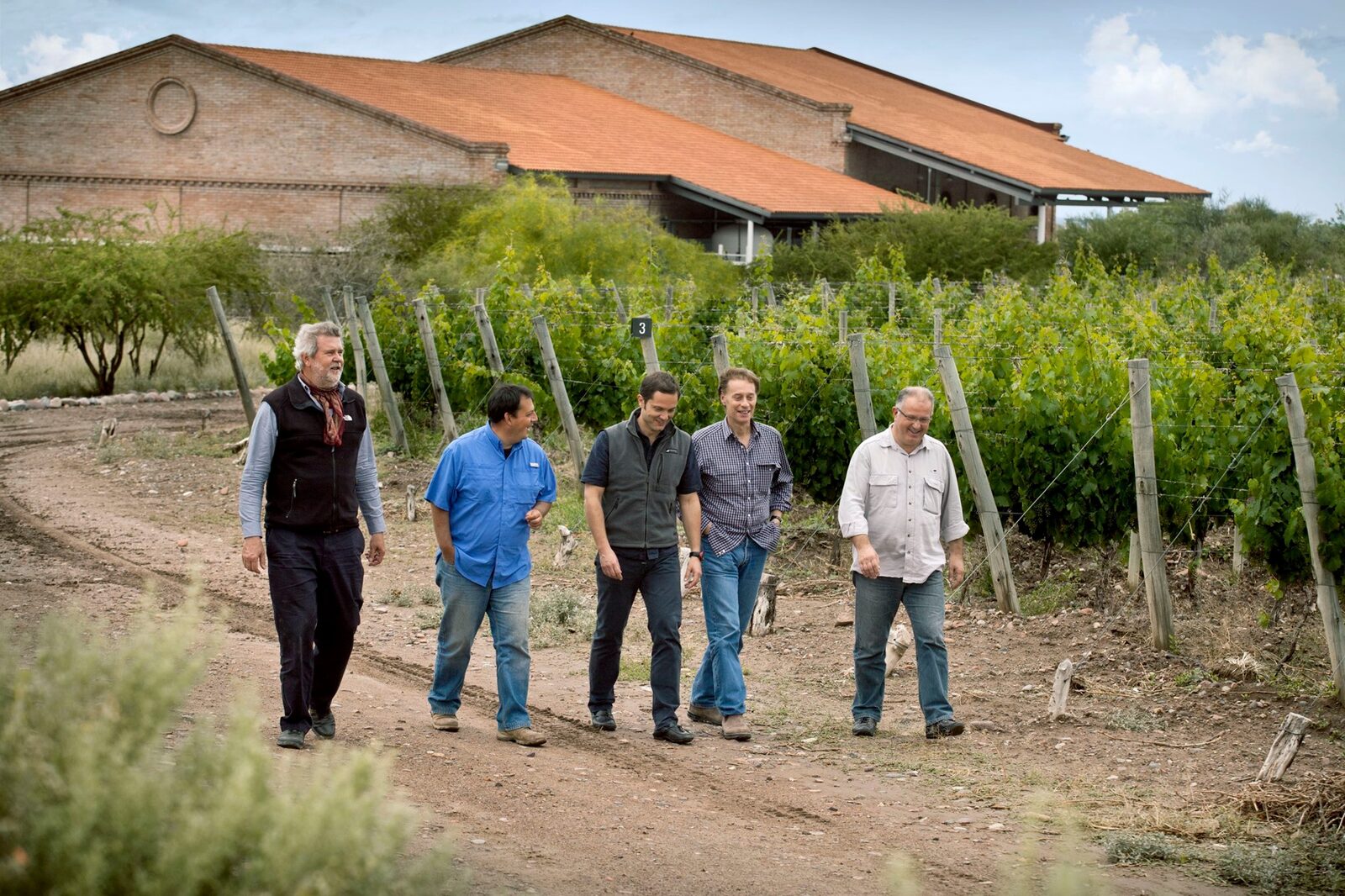
The Altos Las Hormigas team in their vineyard in Mendoza, Argentina.
Their Malbec Clásico is a bold, honest take on Argentina's signature grape. The fruit is sorted twice before it reaches the cellar. Fermentation runs for about ten days at 24–28°C, and each tank is tasted three times a day to decide what it needs. The wine then ages for at least nine months in concrete, with no oak at all. You won't find vanilla or toast here, only pure Malbec fruit.
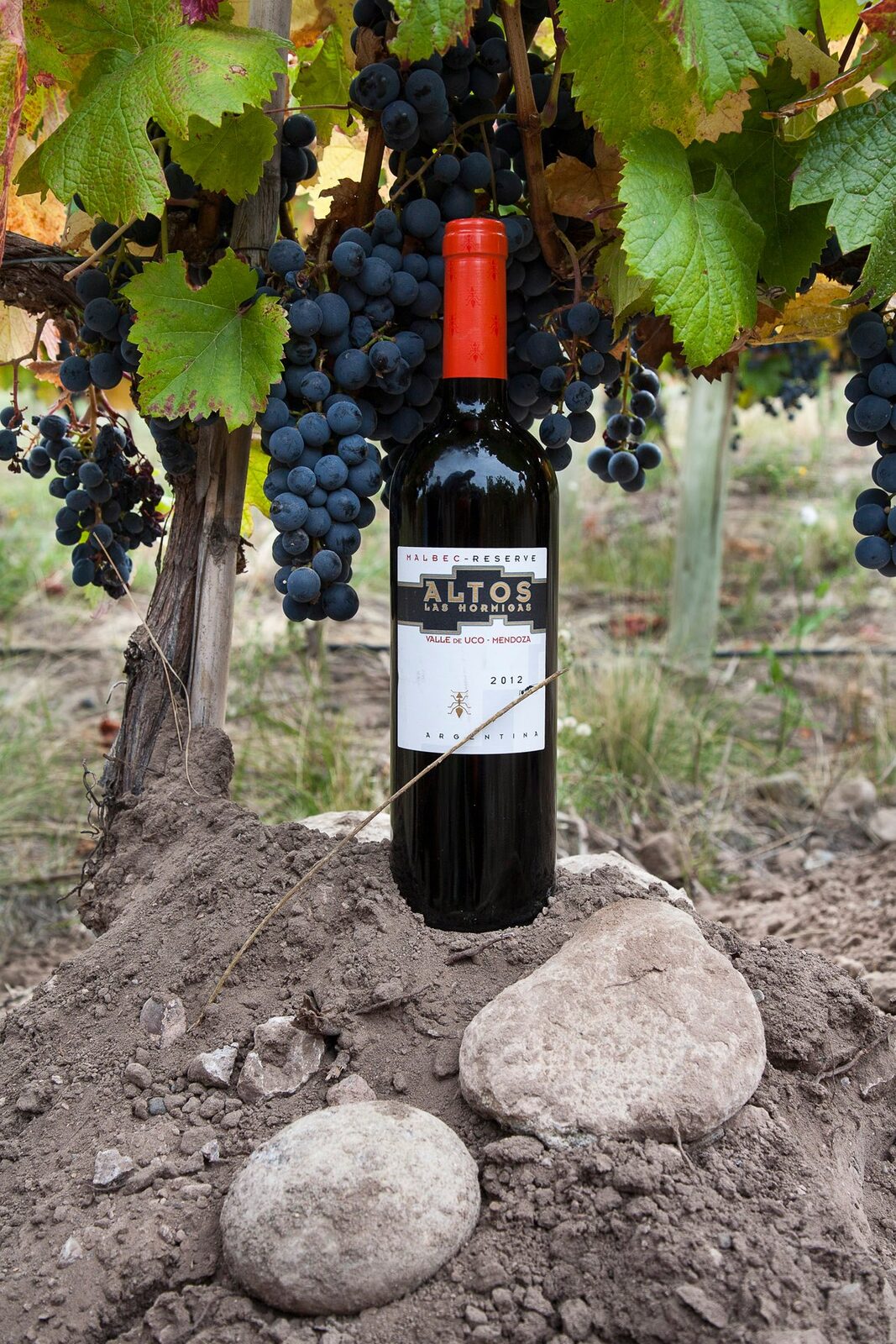
Malbec, stones and soil: the Altos Las Hormigas Malbec Clásico among the vines.
South Africa: three faces of the Cape
The Western Cape gave us three very different stories. False Bay Crystalline Chardonnay is the anti-oak Chardonnay: coastal vineyards, sustainably farmed and hand-picked, fermented with wild yeasts and never touched by wood. It is the grape in its purest form, for anyone who thinks they don't like Chardonnay.
Gabrielskloof The Blend goes the other way: a plush, perfumed red with cassis, black pepper, anise, black cherry and tobacco. It is medium- to full-bodied, with soft, juicy tannins and a hint of dark chocolate on a fresh finish.
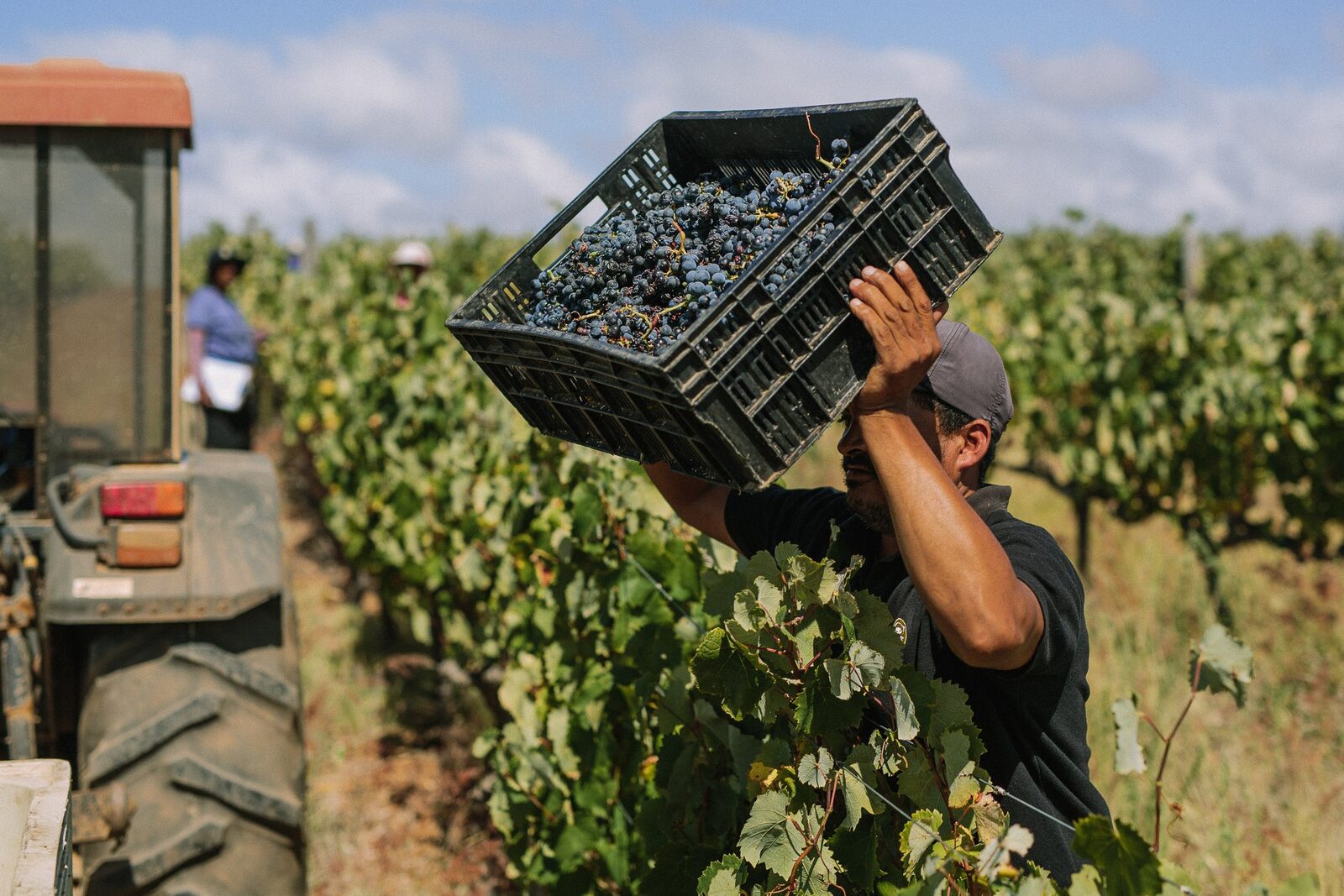
Harvest time at Gabrielskloof, Western Cape.
From Waterkloof came the Circle of Life Red, a blend that combines the spice of Syrah, the fresh fruit of Petit Verdot and the juiciness of Merlot. It starts fresh and fruity, then moves to riper and herbal notes with elegant tannins. It is versatile at the table, and it is especially good with a slow-cooked lamb shank.
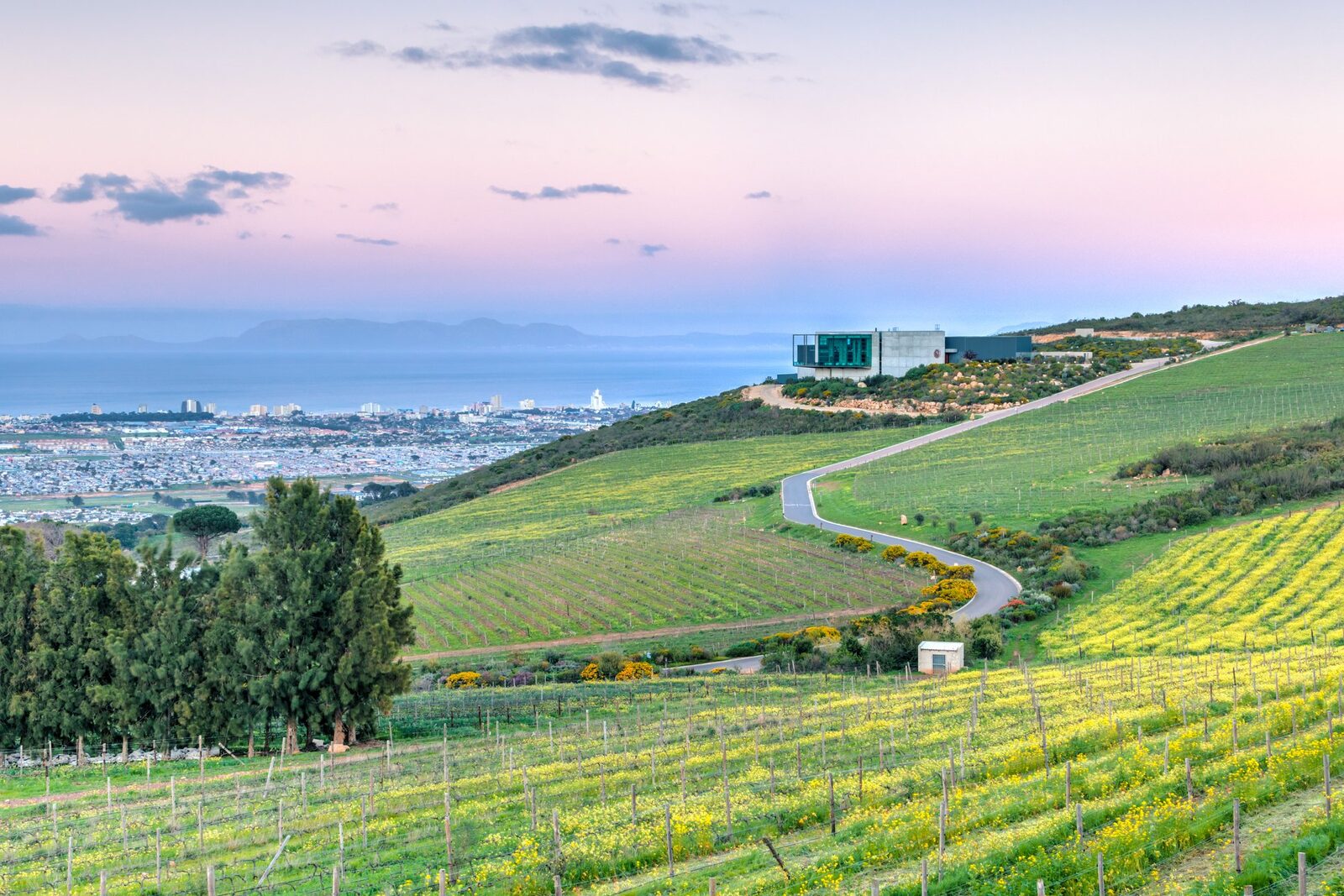
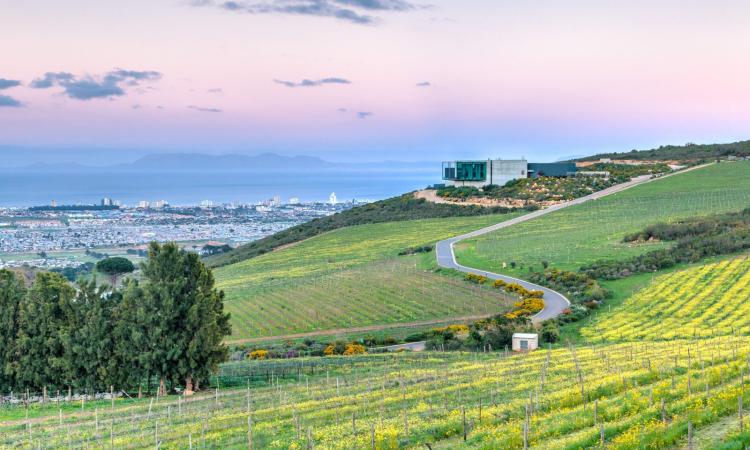
Waterkloof’s vineyards and cellar, with False Bay in the distance.
New Zealand: organic in Nelson
At Richmond Plains in Nelson, the vineyards are farmed organically. Their Pinot Gris is one of the best we have tasted: soft, subtle and elegant, with honeysuckle, tangelo and apple, then citrus, rock melon, pear and caramelised apple, and hints of Turkish delight and rose petal. The grapes are hand-harvested in March and whole-bunch pressed, then fermented cool to keep the fruit. The wine is suitable for vegans and is a natural partner for anything from spicy Asian dishes to grilled seafood.
The Reserve Chardonnay is richer. Golden peach, fig, nougat and cedar lead into a concentrated, creamy palate lifted by fresh acidity. Sam Kim of Wine Orbit gave it 94 points and five stars in May 2019.
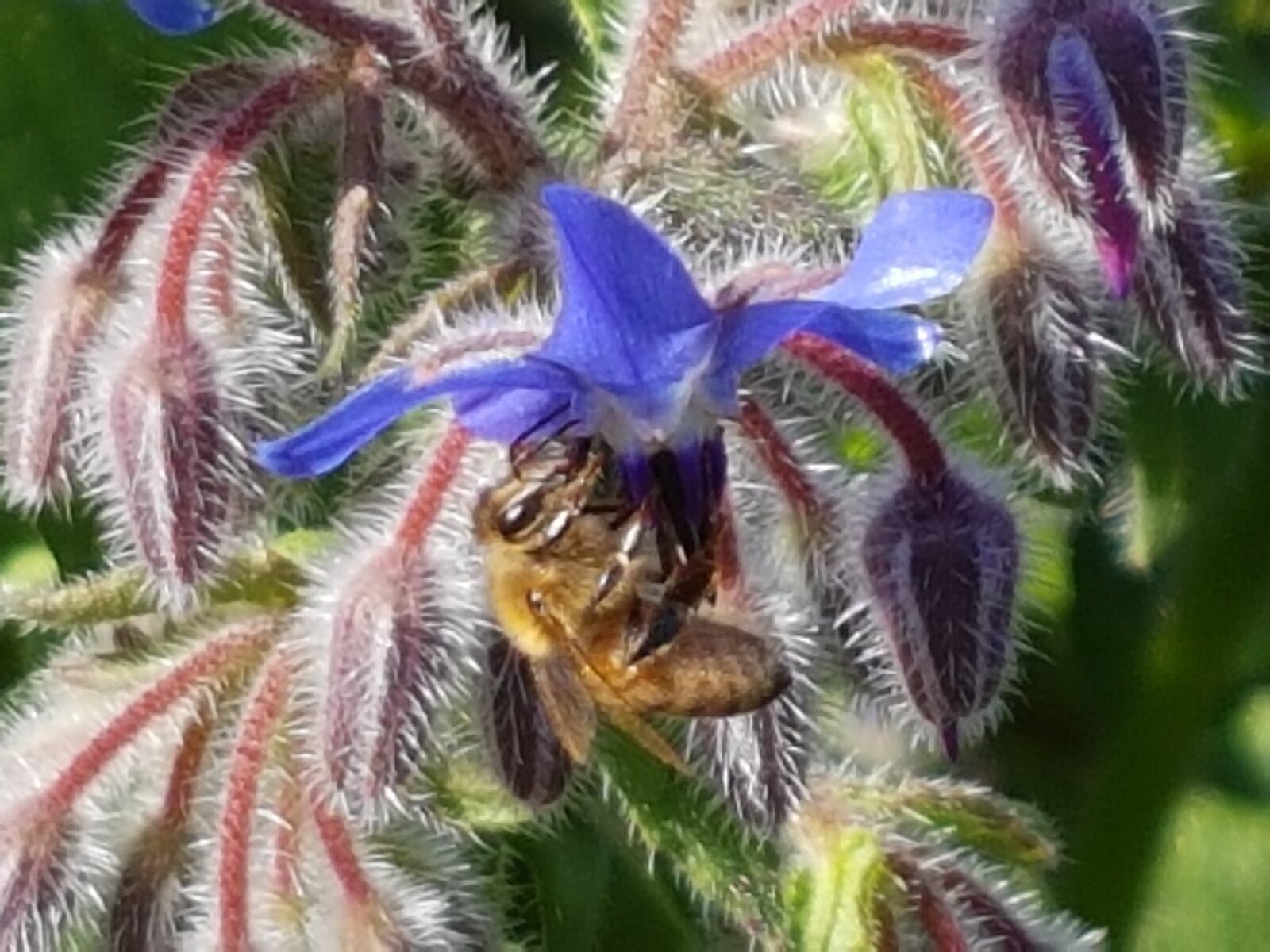
Life between the vines at Richmond Plains, an organic estate in Nelson, New Zealand.
Old World notes: Piedmont and Portugal
From Piedmont came two very different wines. Tenuta La Meridiana makes the Monferrato Rosso Rivaia, a red from the Monferrato hills. Castellari Bergaglio Salluvii Gavi di Gavi is a white made from the local Cortese grape. It is straw-yellow with green highlights, with jasmine and white flowers, green apple and almond on the nose, and dry, with a marked acidity balanced by fine fruit.
And from Portugal, Quinta das Arcas Conde Villar Rosé, from the Vinho Verde appellation, is made from Espadeiro and Touriga Nacional. The grapes are hand-picked close to the winery and crushed straight away to keep the fresh aromas. A short time on the skins gives it a bright raspberry colour. Expect crushed strawberries and raspberries with a squeeze of lime and a light fizz: a perfect rosé for a Saigon afternoon.
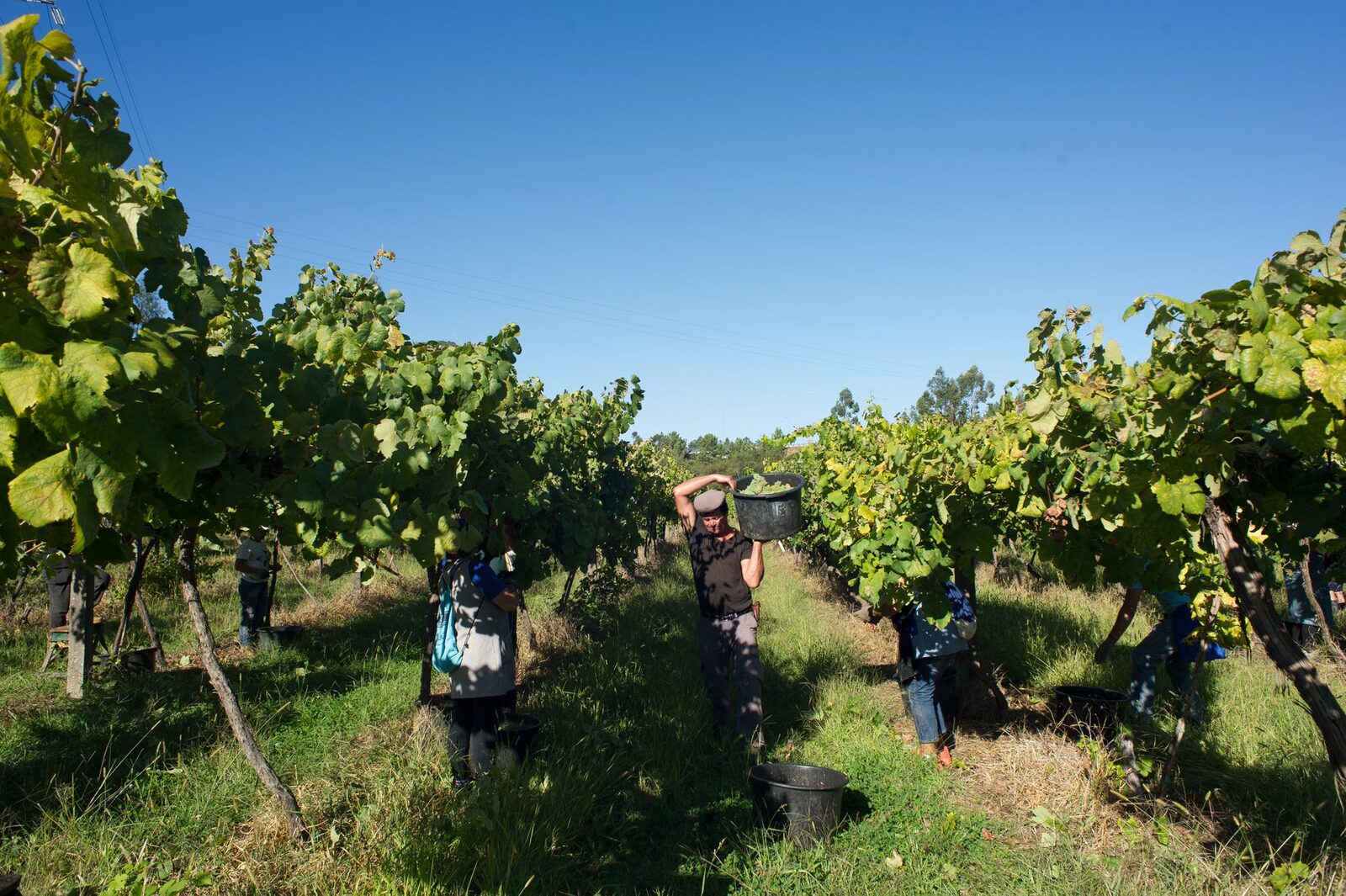
Picking grapes at Quinta das Arcas, Portugal.
Behind every one of these bottles is a grower who chose quality over shortcuts. That is why we import their wines, and why we drink them ourselves. Discover our producers or browse the full Vinoteka selection.