Six Regions, One Table: Fine Germany in the Spotlight at Vinoteka

In March 2026 we gave the Vinoteka Tasting Lounge in Thao Dien over to Germany for two afternoons and two evenings. Fine Germany in the Spotlight brought together new vintages from leading producers in six winemaking regions, and it turned out to be one of the most successful German tastings we have ever hosted.
A tasting for the trade, and for wine lovers
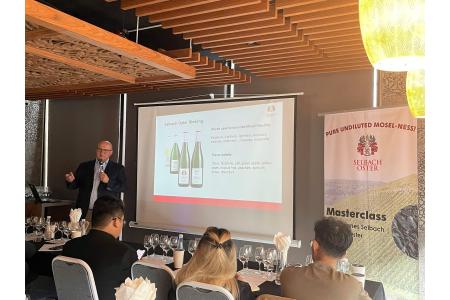
The idea was simple: spring, sunshine in the glass, and a relaxed setting where people could still learn something. On 16 and 17 March the afternoon sessions (13:00–17:00) were for hospitality, HoReCa and F&B professionals. The evening sessions (17:00–20:00) were for private guests.
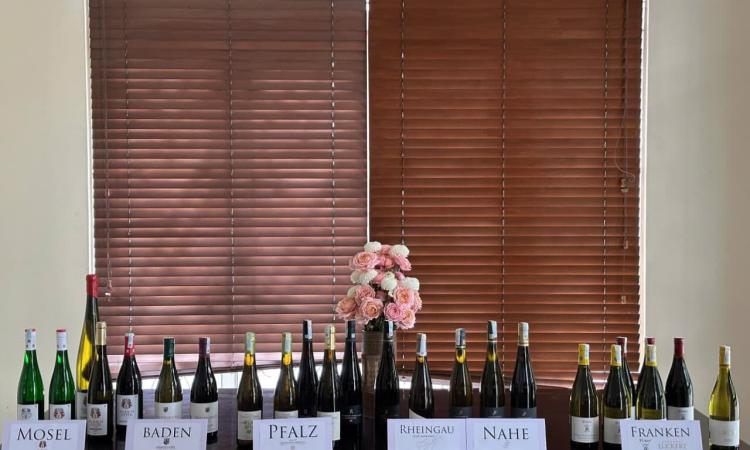
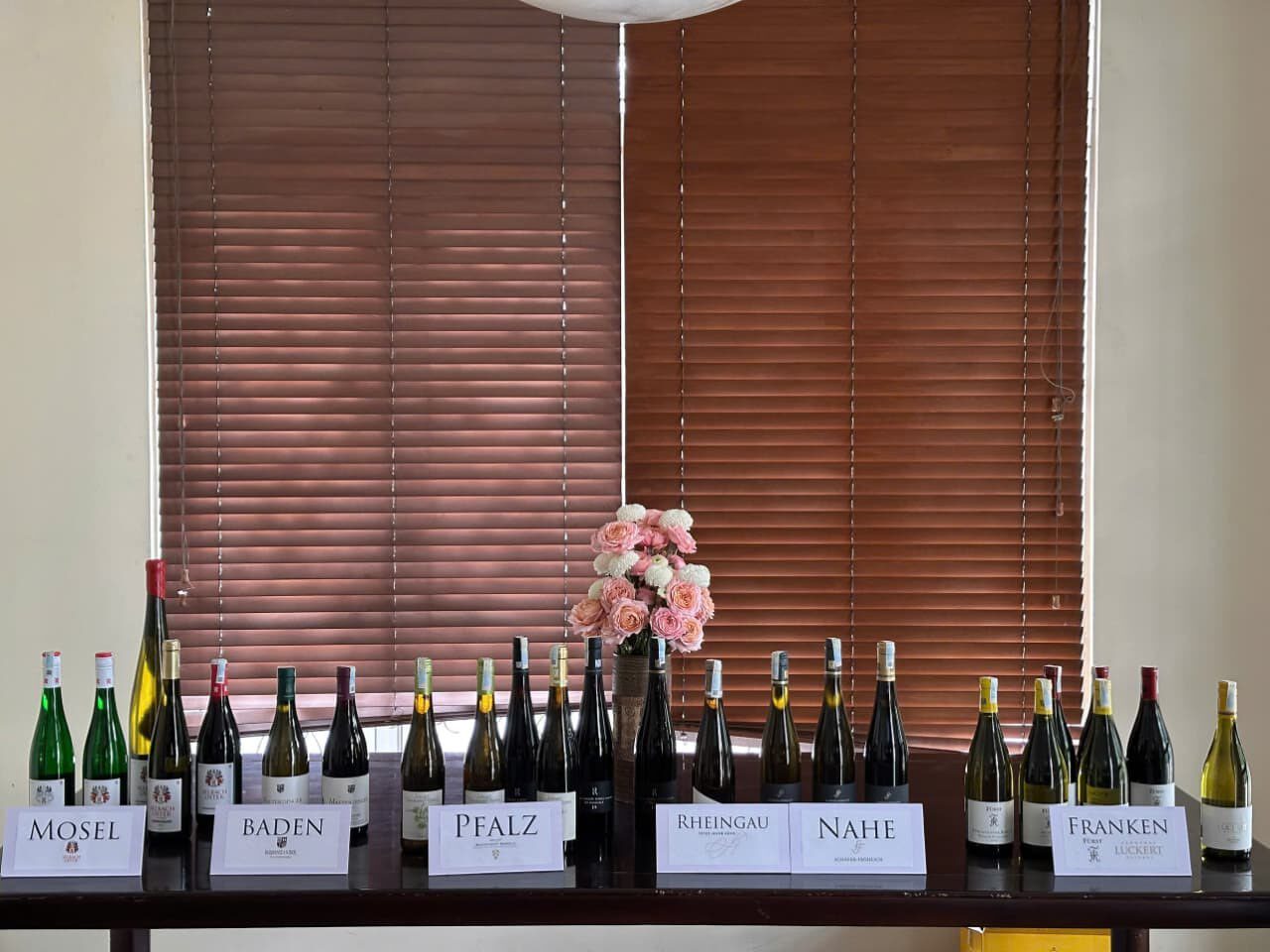
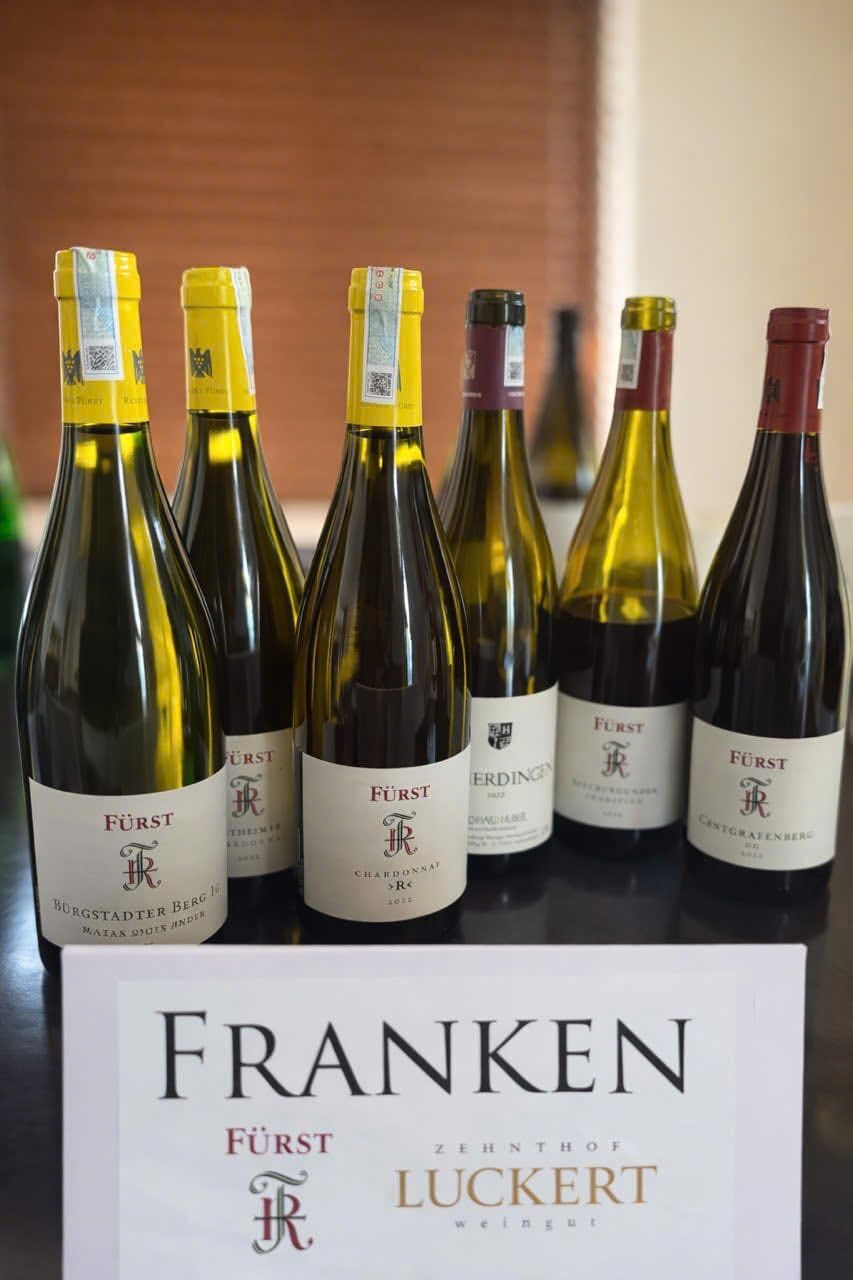
Each region had its own place on the long table, marked with a simple card. Guests could taste at their own pace, moving from Pinot Noir to Riesling and from the warm south-west to the cool, steep valleys of the north. Sommeliers and restaurant buyers in Ho Chi Minh City rarely get to taste a line-up like this side by side. It shows the differences between regions more clearly than any tasting note can: the same grape speaks in a very different voice depending on soil, slope and climate.
The line-up: six regions, six voices
- Mosel: Selbach-Oster. Riesling from steep slate slopes along the winding Mosel river. Light, precise and refreshing.
- Baden: Bernhard Huber. Germany's warmest wine region and a reference point for Spätburgunder (Pinot Noir). Huber's wines from Malterdingen showed what the grape can achieve here.
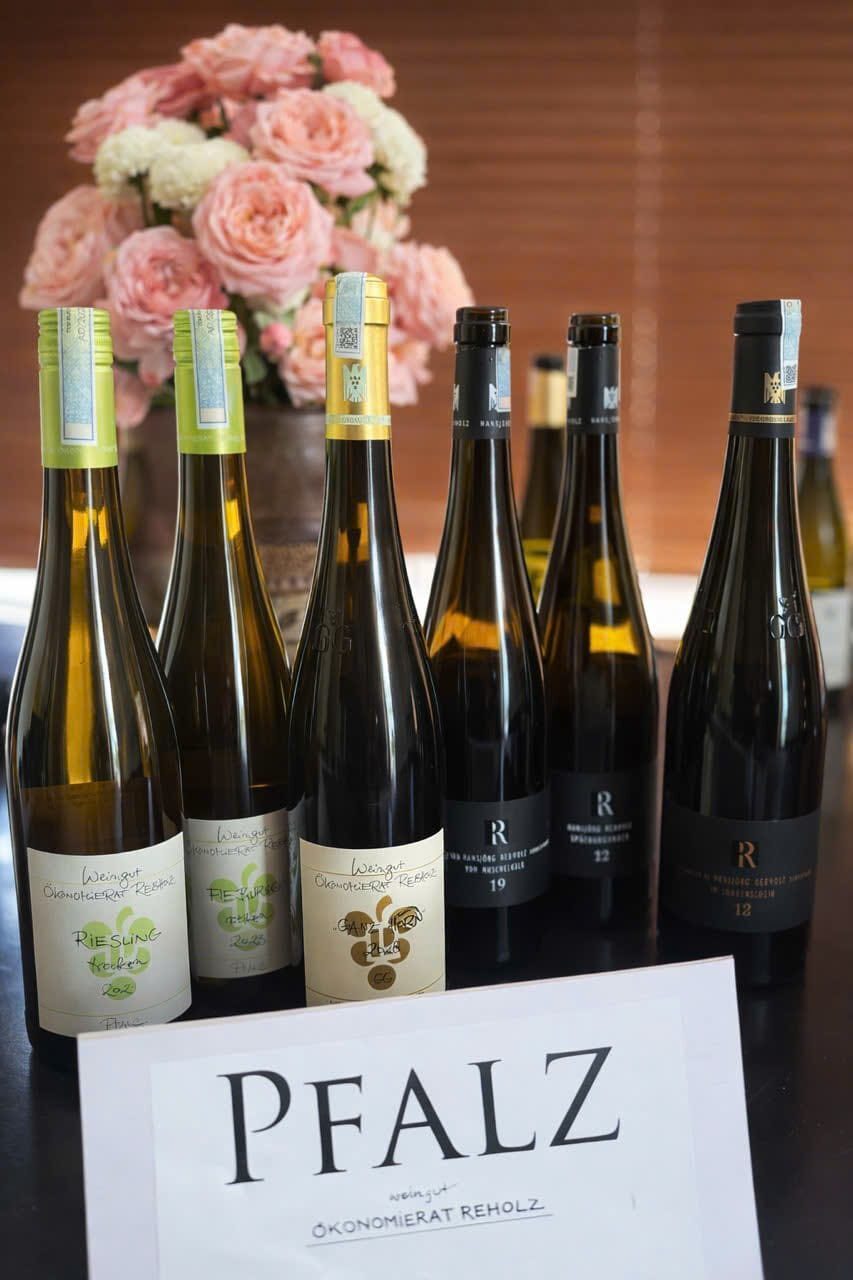
- Pfalz: Ökonomierat Rebholz. A sunny, dry region sheltered by the Haardt mountains. Its Riesling and Pinot combine ripeness with tension.
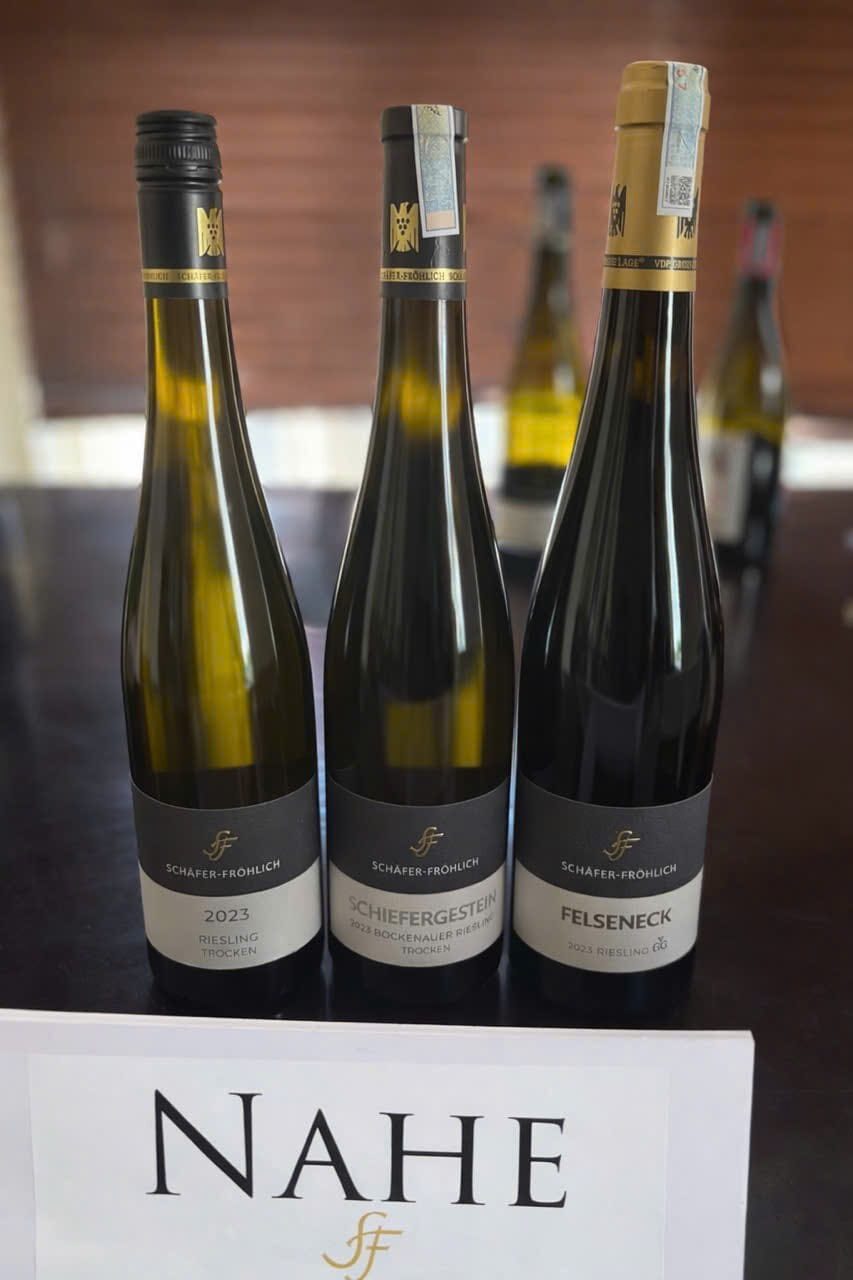
- Nahe: Schäfer-Fröhlich. A compact region with a remarkable mosaic of soils. The flight ran from an estate Riesling trocken to single-vineyard wines such as Felseneck.
- Franken: Rudolf Fürst and Zehnthof Luckert. Two family estates showing the range of Franken, from Fürst's Chardonnay to his Spätburgunder Tradition and the Centgrafenberg Grosses Gewächs.
- Rheingau: Peter Jakob Kühn. The historic Riesling heartland, where vineyards face south across the Rhine.
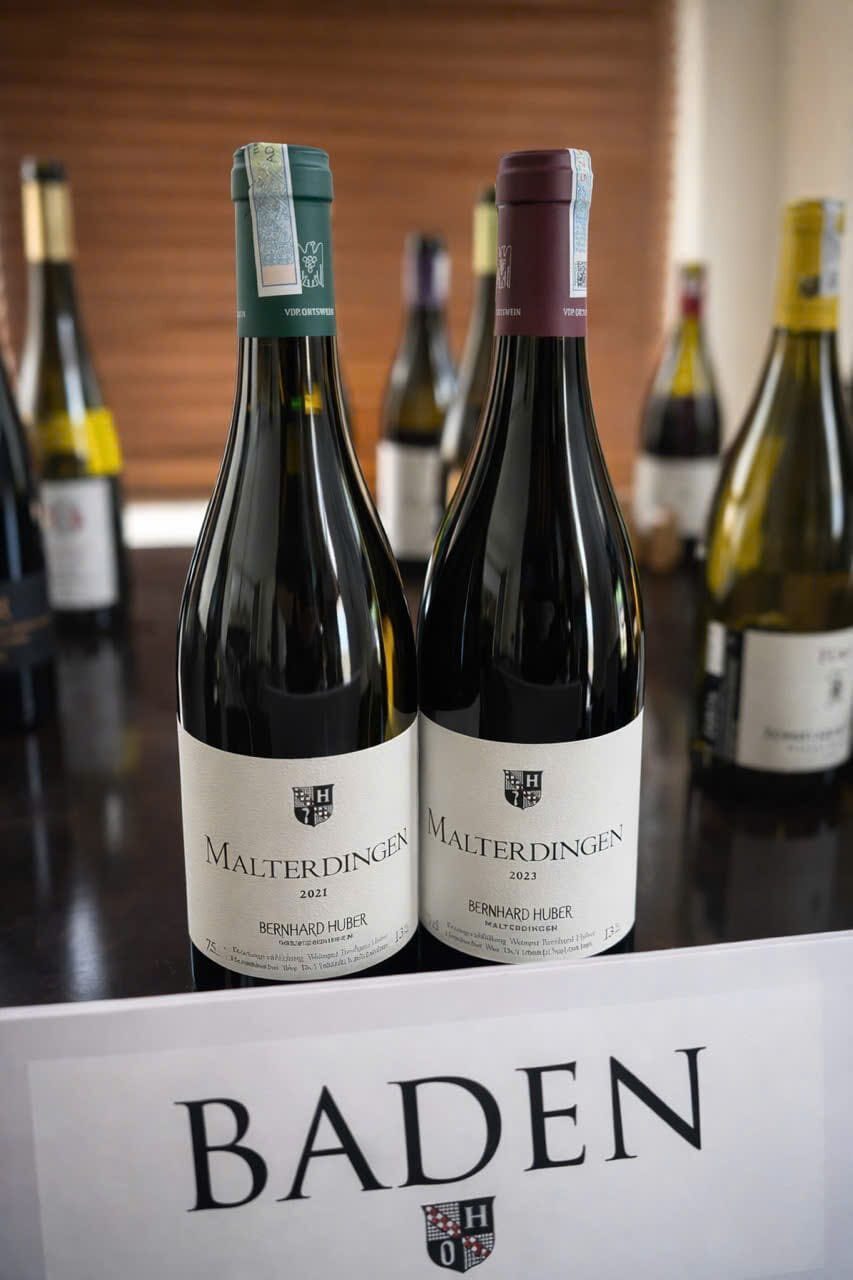
If you want to recreate the experience at home, a few bottles are enough. Open a Mosel Riesling and a Nahe or Rheingau Riesling side by side and notice how the texture and fruit change from region to region. Then pour a Spätburgunder from Baden next to one from Franken or Pfalz. Serve the reds slightly cool, around 14–16°C, which in Saigon usually means a short time in the fridge before opening.
What the two days showed
The level of interest stood out most. Sommeliers, restaurant and hotel teams, long-standing customers and partners came to taste seriously, compare and ask questions. Presenting benchmark wines from some of Germany's most respected producers to such an engaged community was a privilege. Their curiosity and support are what allow us to bring world-class wineries to the Vietnamese market and to keep building a stronger fine wine culture together.
The tasting also confirmed something we have seen in Saigon for years: German wine suits this city. Crisp dry and off-dry Rieslings sit naturally alongside the freshness, herbs and gentle heat of Vietnamese cooking. Elegant Spätburgunder offers a lighter, more transparent red for a warm climate, where heavier styles can feel tiring.
What comes next
Germany's wine map is bigger than six regions, and our selection is still growing. Württemberg and Rheinhessen are next, and we look forward to adding them to the table at a future tasting.
Thank you to everyone who joined us. Wines from several of these producers are available in our shop. Start with Selbach-Oster or Schäfer-Fröhlich, or browse the full Vinoteka selection. If you work in hospitality and would like an invitation to our next trade tasting, our team will be glad to hear from you.